토토사이트 추천과 인기 메이저사이트 순위 2026년
2026년의 온라인 베팅 시장은 단순히 배당률이 높은 곳을 찾는 단계를 넘어, 자본의 투명성과 보안 기술력이 사이트의 생존을 결정짓는 시대로 접어들었습니다. 구글 검색을 통해 수많은 스포츠토토사이트 추천 정보가 쏟아지고 있지만, 실제 유저들이 체감하는 가장 큰 리스크는 여전히 불투명한 환전 절차와 개인정보 유출에 대한 불안감입니다.
이번 가이드에서는 2026년 최신 보안 트렌드와 실제 자본력을 바탕으로 엄선된 메이저 스포츠베팅사이트 순위를 공개합니다. 단순한 순위 나열이 아닌, 각 플랫폼이 보유한 해외 라이선스의 공신력, 입출금 시스템의 안정성, 그리고 실제 유저 피드백을 다각도로 분석했습니다. 여러분의 베팅 전략이 수익으로 직결될 수 있도록, 안전이 담보된 검증된 놀이터만을 선별하여 정리해 드립니다.
2026년 최고 인기 안전 토토사이트 순위 추천 TOP18

















최고의 온라인 토토 사이트란?
| 카지노 이름 | 랭킹 | 보너스 및 특징 |
|---|---|---|
| 벳위즈 | #1 | 첫 충전 20% 보너스 |
| 벳16 | #2 | 첫 가입 20% 보너스 |
| 크보벳 | #3 | 매일 첫 충전 100% 원더휠 |
| 비씨게임 | #4 | 270~360% 웰컴 보너스 |
| 1XBET | #5 | 200만 원 100% 보너스 |
| 케이카지노 | #6 | 1.5% 콤프 + 5% 페이백 |
| 벳38 | #7 | VIP 롤링 혜택 |
| 벳33 | #8 | 첫 충전 롤링 1.5% |
| 본즈 | #9 | 200% 보너스 + 200FS |
| 벳12 | #10 | 125% 스포츠 보너스 |
| 스테이크 | #11 | $100k 데일리 토너먼트 |
| 올레벳 | #12 | 첫 충전 럭키휠 |
| 테드벳 | #13 | 4종 환영 보너스 |
| 유로스타 | #14 | 첫 충전 럭키휠 |
| 펩시 | #15 | 첫충 40% 보너스 |
| 케이슬롯 | #16 | 첫충 30% |
| 벳99 | #17 | 매일 충전 5% 보너스 |
| 킹 오브 스포츠 | #18 | 500% 환영 보너스 |
일반적으로 말하는 온라인 토토사이트는 스포츠 경기에 베팅할 수 있는 사설 업체들을 말합니다. 대부분 이런 사이트들은 카지노와 함께 스포츠북을 운영하고 있으며, 이용자들은 실제 자금을 입금하여 자신이 원하는 스포츠 경기에 베팅하게 됩니다. 외국에서 스포츠북은 엄청나게 규모있는 흥행산업으로 이미 자리 잡았으며, 해외 스포츠 경기를 보면 노출이 잘 되는 좋은 광고 슬롯은 항상 이런 종류의 스포츠베팅 업체들이 차지하고 있는 것을 볼 수 있습니다.
우리 토토 전문가 팀은 다양한 국내 토토사이트 서비스를 리뷰하여 신뢰도에 따라 다양한 업체를 최종 선별하고 아래 리스트를 만들었습니다. 아래 소개되는 모든 업체들은 우리 팀이 자신 있게 추천하는 토토사이트입니다.
1. 벳위즈(Betwiz)
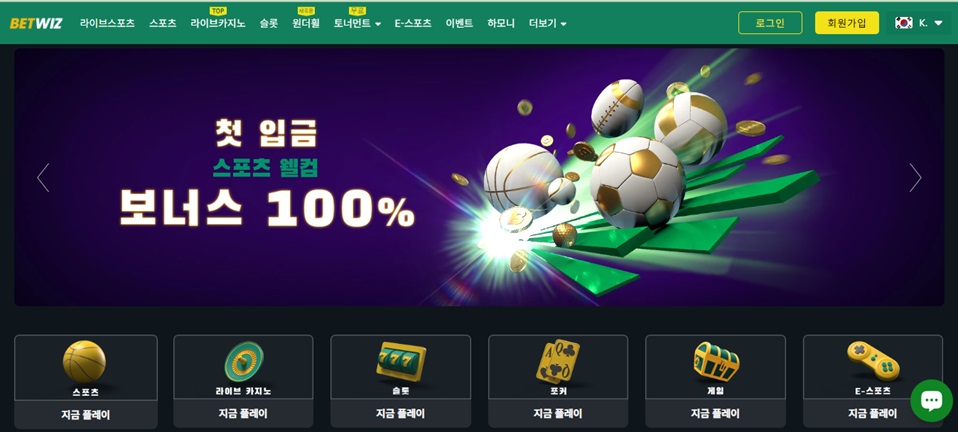
벳위즈는 국내 토토사이트 업체 중 거의 항상 탑에 드는 메이저 토토 사이트 업체입니다. 이 업체는 엄청난 자금력으로 해외 유명 구단(바이에른 뮌헨, 보루시아 도르트문트)과 스폰서십을 맺고 있으며, 스포츠베팅 뿐 아니라 카지노 게임까지 운영하는 종합 카지노 업체입니다. 퀴라소 정부의 합법 라이센스를 발급 받아 운영되고 있는 벳위즈는 모든 중소 규모 온라인 카지노 업체들의 롤모델이라고 할 수 있습니다.
- 이벤트 및 프로모션: 신규 회원은 최대 100%의 환영 보너스를 받을 수 있습니다. 첫 입금 시 20% 또는 100%의 보너스를 제공하며, 최대 1억 원까지 지원됩니다. 단, 입금액과 보너스 금액 모두 롤링 조건을 충족해야 합니다. 매일 슬롯사이트에서는 10%, 스포츠에서는 5%, 카지노에서도 5%의 캐시백 혜택을 받을 수 있으며, 최대 전환 가능한 금액은 10배로 제한됩니다. 스포츠 베팅에서는 1%, 카지노에서는 0.5%의 리베이트 보너스를 통해 최대 100만 원까지 돌려받을 수 있습니다. 또한, 스포츠 및 카지노 충전 시 5% 보너스를 제공하며, 모든 스포츠 경기에서 미적중 시 최대 100% ‘올 미적중’ 보너스가 주어집니다. 특정 조건을 충족한 다폴더 베팅자에게는 최대 150만 원까지 받을 수 있는 멀티 베팅 이벤트가 진행됩니다. 지인 추천 이벤트로는 추천받은 지인의 베팅 금액 중 0.2%를 추천인이 받을 수 있습니다.
- 결제방식: 벳위즈는 국내 이용자들을 위한 국내 은행 입출금을 지원하며, BTC, Litecoin, ETH, USDC, USDT와 같은 150개 이상의 암호화폐 결제도 지원합니다.
✅ 장점
- 대형 카지노 운영사의 안정적 운영
- 다양한 결제 방식
❌ 단점
- 일부 지역에서 이용 불가
- 최소 입금금액이 10만원
2. 벳16(Bet16)
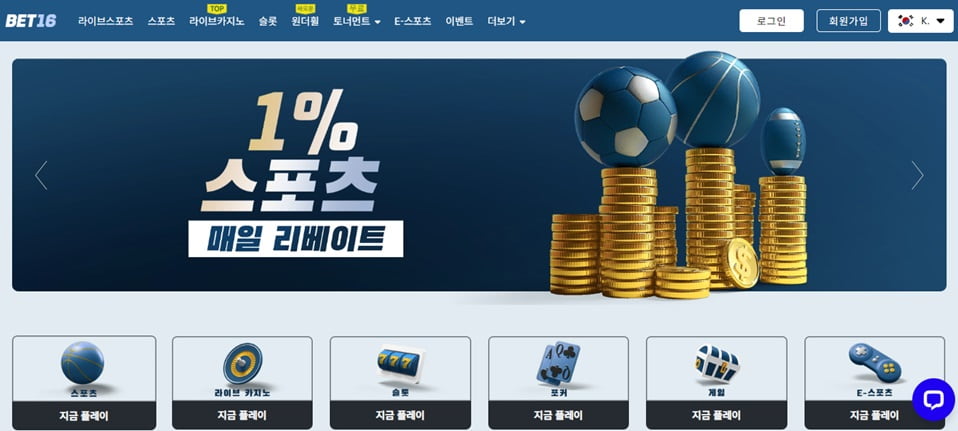
벳16 토토사이트 역시 퀴라소 정부의 합법 라이센스를 보유하며, 해외 축구 명문 구단 유벤투스와 스폰서십을 맺고 있습니다. 현재까지 무사고로 10년 가까이 운영되고 있는 이 업체는 방대한 게임 컬렉션과 수준 높은 고객지원으로 유명합니다.
- 이벤트 및 프로모션: 벳16 토토 사이트의 신규 회원들은 첫 충전 시 100% 원더휠 티켓을 받을 수 있는 환영 보너스를 제공합니다. 또한, 카지노에서는 5%, 슬롯에서는 10%, 스포츠북에서는 5%의 캐시백 혜택을 받을 수 있습니다. 리베이트 보너스로는 스포츠에서 1%, 카지노에서 0.5%가 제공됩니다. 스포츠 베팅을 할 때는 ‘올 미적중’ 이벤트를 통해 최대 150만 원까지 받을 수 있으며, 두 폴낙 및 한폴낙 미적중에 대한 위로금 이벤트도 진행됩니다. 지인을 추천하여 가입시키면, 추천인에게는 평생 0.2%의 리베이트가 지급됩니다.
- 결제방식: 벳16 토토사이트는 국내 이용자들의 편의를 위한 원화 송금 및 입출금을 지원하고 있습니다.
✅ 장점
- 벳계열 카지노의 높은 신뢰도
- 풍부한 게임 컬렉션
❌ 단점
- 제한된 결제 방식
3. 크보벳(KBObet)
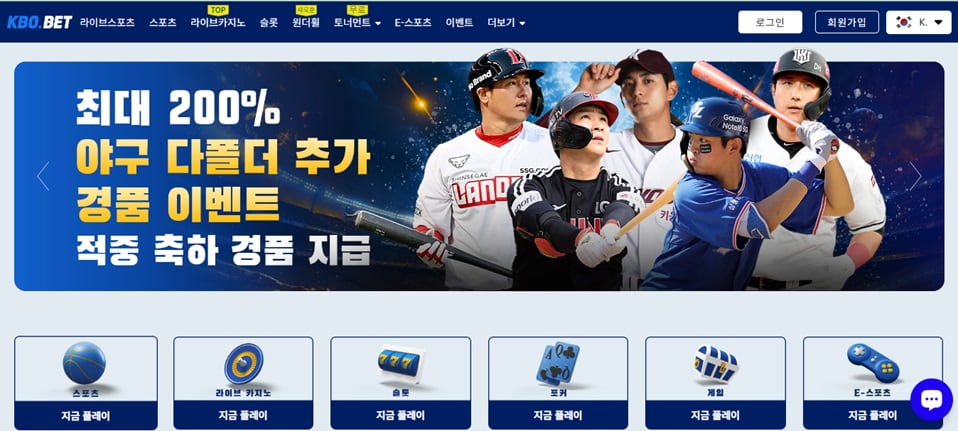
크보벳토토사이트는 이름에서 알 수 있듯이 한국 프로야구 팬들을 타겟팅하여 설립되었습니다. 이 플랫폼은 다른 종목 게임도 제공하고 있지만 한국 야구 일정에 맞춘 이벤트 기획과 다양한 혜택을 제공하여, 수많은 한국 야구팬들을 스포츠베팅 플랫폼으로 끌어들이고 있습니다.
- 이벤트 및 프로모션: 크보벳 토토사이트에서는 야구 경기에 베팅하면 다음 날 베팅 금액의 5%를 프리벳 보너스로 받을 수 있습니다. 다폴더 베팅 시에는 최대 200%의 적중 축하 경품이 제공됩니다. 매일 스포츠 베팅에 대해 1% 리베이트, 라이브 카지노에서는 0.5%, 슬롯 게임에서는 1.5%의 리베이트 혜택이 주어지며, 주간 캐시백으로는 스포츠 5%, 라이브 카지노 5%, 슬롯 10% 혜택이 주어집니다. 또한, 매일 첫 충전 시 최대 100% 원더휠 혜택을 받을 수 있으며, 지인을 추천하면 0.2% 리베이트가 지급됩니다. 올 미적중 및 한폴낙 보너스는 최대 100%까지 제공됩니다.
- 결제방식: 크보벳 토토사이트는 국내 이용자들의 편의를 위한 원화 송금 및 입출금을 지원하고 있습니다.
✅ 장점
- 국내 야구 베팅에 특화
❌ 단점
- 제한적인 결제 옵션
4. 비씨게임(BCgame)
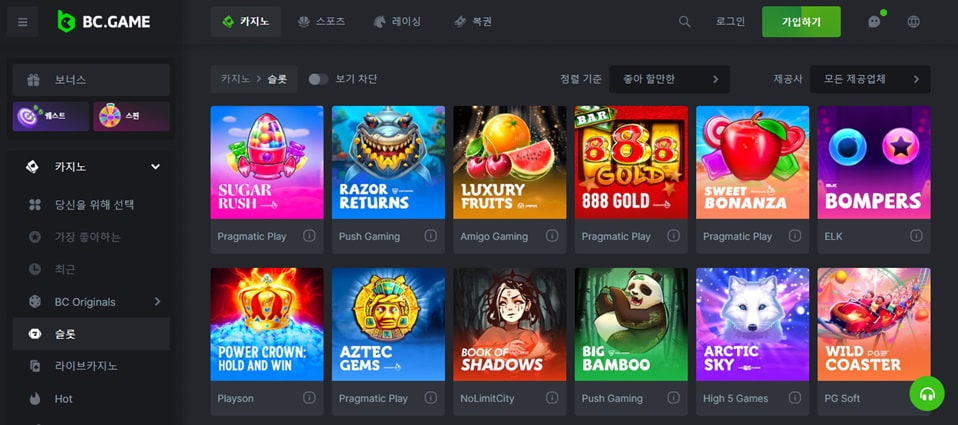
비씨게임 토토사이트는 암호화폐 도입에 적극적인 플랫폼입니다. 이 업체는 약 10년간 무사고 기록을 가지고 있으며, 퀴라소 정부의 합법 라이센스를 보유하고 있습니다. 빠른 트렌드 적응 능력과 파트너십은 비씨게임을 다른 업체들과 구분하는 특징입니다.
- 이벤트 및 프로모션: 신규 가입자는 최대 4회까지 입금 매칭 보너스를 받을 수 있습니다. 첫 번째 충전 시 최대 180%, 두 번째 충전 시 240%, 세 번째 충전 시 300%, 네 번째 충전 시 360%의 보너스가 제공됩니다. 이 외에도 다양한 혜택으로는 채팅 보상인 레인, 럭키 스핀, 레이크백, 월별 보너스, 그리고 매일 지급되는 일일 보너스(수령 금액은 변동 가능)가 있습니다. 또한, 매주 총 상금 100만 달러의 캐시붐, 총 상금 100만 유로의 캐시-X, 코코러쉬, 신규 이용자 전용 200% 보너스 등 다양한 이벤트가 진행됩니다.
- 결제방식: 비씨게임 토토사이트는 시스템에서 BCD 코인을 도입하며 입출금에 사용하고 있으며, 다양한 암호화폐(BTC, ETH, DOGE, ADA, LTC, MATIC, XMR, XRP, SHIB, SOL, USDT, TON, TRX, USDC, UNI, ZEC 등) 결제를 지원합니다. 물론 암호화폐에 익숙하지 않은 카지노사이트 사용자를 위해 국내 은행 입출금도 지원하고 있습니다.
✅ 장점
- 암호화폐 친화적
- 다양한 결제 방식
❌ 단점
- 고객인증 절차 존재
- 보너스를 받기 위해 요구되는 높은 베팅 조건
5. 원엑스벳(1XBET)
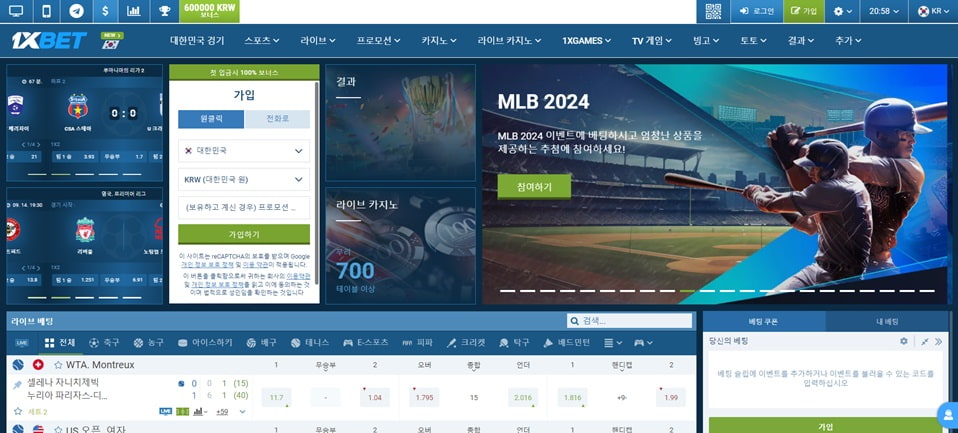
약 20년간 무사고로 운영된 이 토토사이트는 퀴라소 정부의 합법 라이센스를 보유하고 있습니다. 총 50개 언어를 지원하며 회원가입에 어떠한 신원확인 절차가 없어 100% 익명이 보장된다는 것으로 커뮤니티 내 입소문을 타고 있습니다.
- 이벤트 및 프로모션: 원엑스벳 토토사이트에서는 첫 4회 입금에 대해 최대 200만 원과 150회의 무료 스핀이 100% 제공됩니다. 매일 10,000개의 무작위 베팅을 선정해 상금의 200%를 지급하는 이벤트도 진행 중이며, 3천만 원 베팅에서 승리 시 황금반지를 경품으로 받을 수 있는 특별한 황금반지 이벤트도 있습니다. 스포츠 무료 베팅에서는 첫 베팅 실패 시 손실 금액만큼 무료 베팅 금액을 돌려주며, 스포츠 라이브 베팅에서는 7천 원 베팅으로 삼성 노트북, 태블릿, 애플 스마트폰 등의 다양한 경품을 받을 수 있습니다.
- 결제방식: 원엑스벳 토토사이트은 계좌이체, 신용/직불 카드, 전자지갑(스크릴, 넷텔러), 다양한 종류의 암호화폐, 애플/구글/삼성 페이를 이용할 수 있습니다.
✅ 장점
- 신속한 입출금
- 암호화폐 사용으로 100% 신원 보호
❌ 단점
- 롤링 기준이 높은편
- 한국어 지원 미흡
6. 케이카지노(Kcasino)
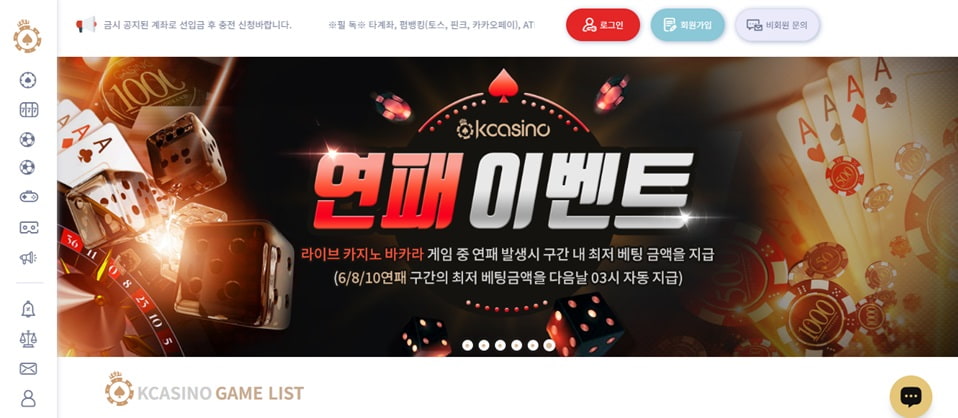
케이카지노 토토사이트는 최근 커뮤니티에서 바이럴 되고 있는 업체로 먹튀 보증 업체에 10억 이상의 큰 자금을 예치해놓고 있는 것으로 파악됩니다. 정기적인 프로모션 규모도 매우 규모 있게 집행하고 있어 많은 업계 관계자들과 토토 매니아들이 새롭게 나타난 이 신규 카지노에 관심을 보이고 있습니다.
- 이벤트 및 프로모션: 토토사이트 신규 가입자는 첫 충전 시 꽁머니 혜택으로 6장의 무료 스핀 티켓을 받을 수 있습니다. 또한 베팅 금액의 5%가 페이백되며, 이 혜택은 1주일 동안 유지됩니다. 슬롯 게임에서는 1.5%의 콤프율이 적용되며, 스포츠 베팅 유저에게는 0.8% 콤프율과 함께 한 주간 손실액의 5%가 페이백됩니다. 지인을 성공적으로 추천할 경우 0.2%의 리베이트가 지급되며, 일주일간 출금을 가장 많이 한 사용자에게는 ‘출금왕 보너스’가 제공됩니다.
- 결제방식: 국내 카지노사이트 이용자들의 편의를 위해 주요 은행 입출금을 지원하고 있습니다.
✅ 장점
- 높은 모바일 편의성
- 대규모 먹튀 보증업체 예치금
❌ 단점
- 제한적인 결제 옵션
7. 벳38(Bet38)
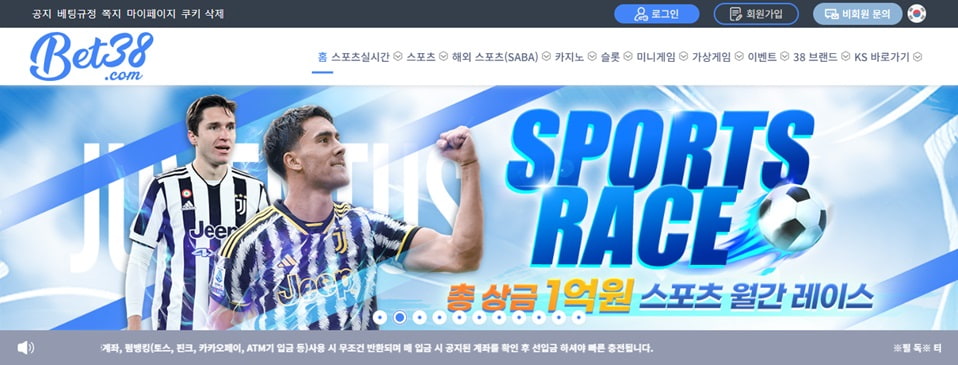
벳38 토토사이트는 벳계열 카지노 중 하나로 유럽 축구 명문 유벤투스와 스폰서십을 맺을 정도로 자금력 있는 계열사에서 운영중인 프랜차이즈 중 하나입니다. 이 플랫폼은 거대한 자금력에서 나오는 풍성한 혜택과 이벤트 기획이 특징인 토토 사이트입니다.
- 이벤트 및 프로모션: 이 토토사이트 신규 회원은 환영 보너스로 최대 3장의 럭키휠 티켓과 100% 토토 보너스를 받을 수 있습니다. 또한, 3과 8이 포함된 날짜에 38만 원 이상 입금 시 최대 100%의 추가 보너스가 지급됩니다. 매주 평일 밤 10만 원 이상 충전하는 고객은 추가 보너스를 받을 수 있으며, 퇴근길 및 출근길 이벤트, 연패 탈출 이벤트, 지인 추천 시 0.2% 리베이트를 제공하는 지인 추천 보너스 혜택도 제공됩니다.
- 결제방식: 벳38 토토사이트는 국내 주요 메이저 은행을 통한 입출금을 지원합니다.
✅ 장점
- 벳계열 카지노가 주는 신뢰도
❌ 단점
- 제한적인 결제 옵션
8. 벳33(Bet33)
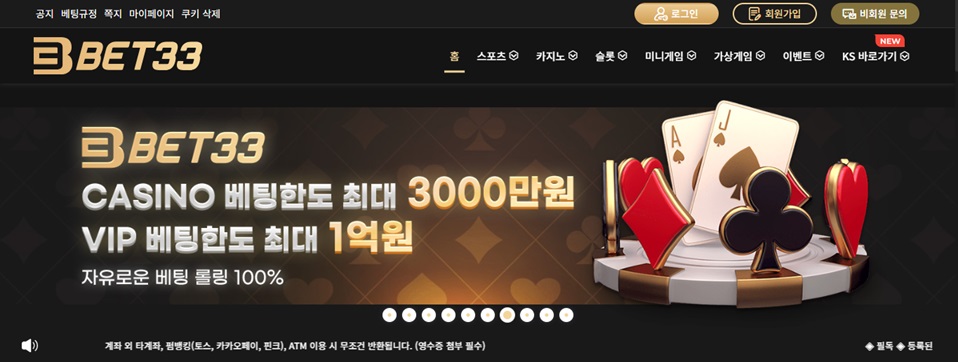
벳33 역시 벳계열 토토사이트 프랜차이즈 중 하나로 다양한 게임 컬렉션과 지속적으로 새로운 이벤트 기획을 제공하는 등 운영 면에서 매끄럽고 노련한 모습을 보여주고 있습니다. 이 플랫폼은 신속한 고객지원과 모바일 편의성이 특징인 토토사이트입니다.
- 이벤트 및 프로모션: 신규 회원은 첫 충전 후 일주일간 최대 1.5%의 롤링콤프 혜택을 받을 수 있으며, 실시간 롤링콤프 이벤트를 통해 베팅 금액에 따라 최대 1.5%까지 적립할 수 있습니다. 매일 첫 충전 시 20만 원 이상 충전하면 최대 200,000 포인트를 받을 수 있는 럭키휠 이벤트도 제공되고 있으며, 주간 페이백 이벤트로 손실 금액의 5%를 매주 월요일 자동으로 지급합니다. 삼땡엔딩 이벤트는 매월 3일, 13일, 23일에 33만 원 이상 충전 시 최대 33만 포인트를 제공하고, 연패 이벤트에서는 연패한 경우 최대 3,000,000 포인트의 보상을 받을 수 있습니다. 또한, 지인 추천 시 롤링 금액의 0.2% 리베이트로 최대 100만 원까지 지급됩니다.
- 결제방식: 국내 토토사이트 이용자들의 편의를 위해 주요 은행 입출금을 지원하고 있습니다.
✅ 장점
- 다양한 이벤트 혜택
- 높은 모바일 편의성
❌ 단점
- 제한된 결제 옵션
9. 본즈(Bons)
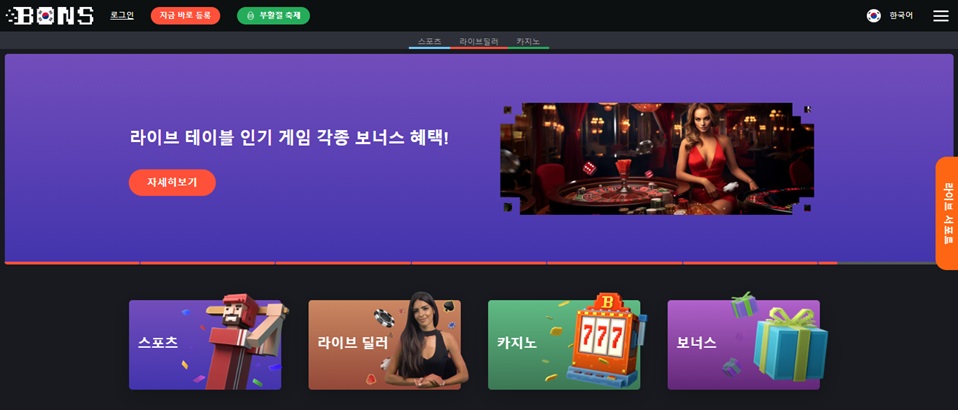
이 플랫폼은 카지노 업계의 노련한 베테랑 NestlingCorn Limited가 운영하는 해외 합법 토토사이트입니다. 역동적인 사이트 디자인과 풍부한 유저 혜택은 이 사이트를 다른 평범한 업체들과 차별화 하는데 성공했습니다.
- 이벤트 및 프로모션: 본즈의 신규회원에게는 첫 입금 시 200% 보너스와 200회의 무료 스핀이 제공됩니다. 최소 입금액은 $10로, 누구나 쉽게 참여할 수 있으며, 다양한 이벤트가 주기적으로 업데이트됩니다. 또한, 5단계의 환영 패키지가 마련되어 있습니다. 첫 번째 단계에서는 200개의 무료 스핀과 최대 200% 보너스가 제공되고, 두 번째 단계에서는 $40부터 $300까지 100% 보너스를 받을 수 있습니다. 세 번째 단계는 $50부터 $400까지 50% 일치 보너스, 네 번째 단계는 $50부터 $500까지 50% 보너스, 마지막으로 다섯 번째 단계에서는 $50부터 $750까지 25% 보너스를 받을 수 있습니다.
- 결제방식: 전자지갑, 신용카드, XRP, BUSD, LTC, USDT, ETH, ADA, BTC 같은 암호화폐 종류를 지원하고 있습니다.
✅ 장점
- 높은 모바일 편의성
❌ 단점
- 원화 입출금 불가
10. 벳12(Bet12)
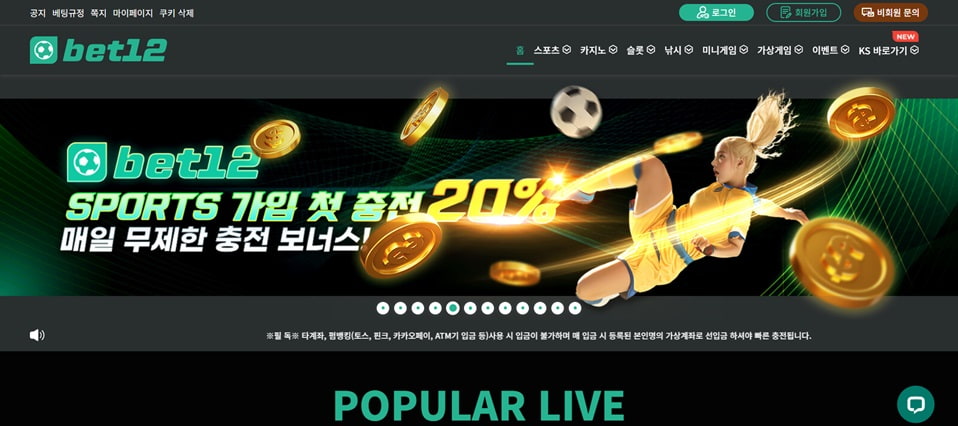
아시아 전역에서 높은 인기를 구가하고 있는 국제적인 대형 토토사이트인 벳12는 필리핀 당국의 라이센스 하에서 운영됩니다. 다양한 게임 컬렉션과 아시아 유저들의 입맛에 맞춘 이벤트 혜택은 이 업체가 아시아 시장에서 선전하는 이유를 보여줍니다.
- 이벤트 및 프로모션: 벳12에서는 스포츠북 신규 회원에게 최대 12만 원의 125% 웰컴 보너스 또는 0.5%의 주간 캐시백 중에서 선택할 수 있는 기회를 제공합니다. 해피 아워 파워 패키지에서는 매일 오후 1시부터 7시 사이에 입금할 경우 8%의 추가 보너스(최대 60,000원)와 함께 리워드 포인트를 두 배로 받을 수 있습니다. 또한, 라이브 카지노 클럽(12 펄 클럽, 12 사파이어 클럽 등)에 첫 입금 시 최대 75,000원까지 50% 보너스를 제공하며, 카지노 클럽에서는 주간 리워드로 최대 200회의 무료 스핀을 지원하고 있습니다.
- 결제방식: 국내 카지노사이트 이용자들의 편의를 위해 주요 은행 입출금을 지원하고 있습니다.
✅ 장점
- 아시아 유저 취향을 반영한 다양한 이벤트 기획
- 높은 모바일 편의성
❌ 단점
- 제한적인 결제 옵션
11. 스테이크(Stake)
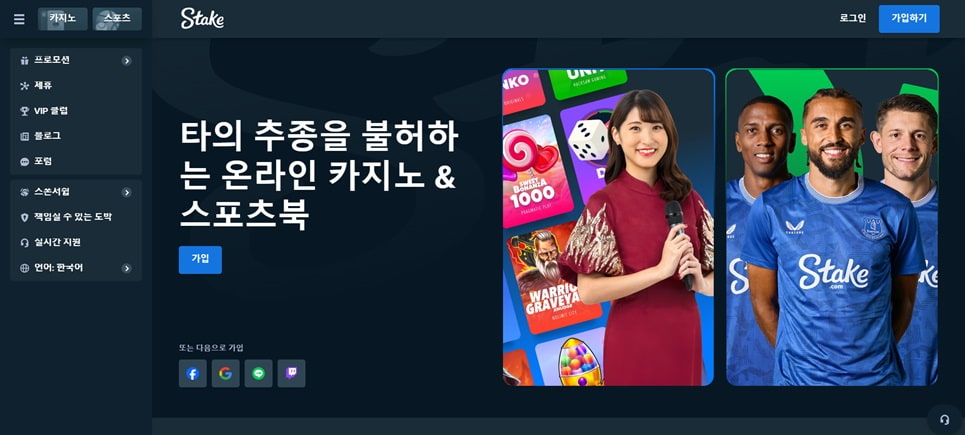
이 토토사이트 플랫폼은 퀴라소 당국의 라이센스 하에서 운영되며 2013년 최고 등급을 받은 게임 사이트인 Primedice에서 개발하였습니다. 최근 한국 시장 공략을 시작하여 공격적인 마케팅을 진행하고 있어 신규 이용자에게 주어지는 보상이 비교적 클 수 있습니다.
- 이벤트 및 프로모션: 스테이크 카지노는 $100,000 일일 경쟁 토너먼트가 있습니다. 이 이벤트는 하루 동안 5,000위 안에 든 고객들에게 비트코인 보상이 지급됩니다. 또한 베팅 시 주어지는 경품 행사 티켓을 통해 $50,000 복권 이벤트에 참가할 수 있습니다. 스포츠 카테고리에서는 라이브 베팅 프로모션, 환급 프로그램, VIP 로열티 프로그램, 텔레그램 챌린지 등이 진행 중입니다.
- 결제방식: 스테이크 카지노는 계좌 이체, 신용카드, 전자지갑 같은 옵션 외에도 암호화폐(BTC, ETH, XRP, DOGE, BCH, LTC, TRX, EOS, USDT, BUSD) 결제가 가능합니다.
✅ 장점
- 암호화폐 친화적
- 방대한 유저 혜택
❌ 단점
- 제한적인 결제 옵션
12. 올레벳(Olebet)
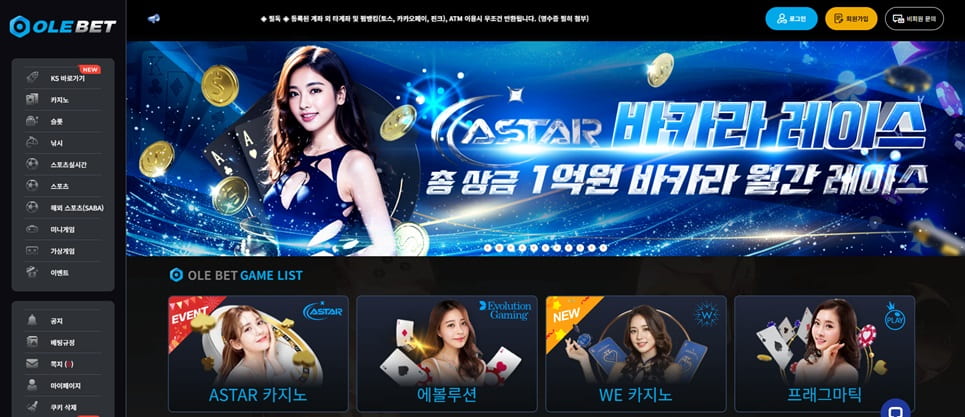
2020년에 문을 연 올레벳 토토사이트는 스포츠베팅과 카지노 서비스를 모두 제공하는 종합 카지노로 성장하고 있습니다. 벳계열 카지노의 한 분류인 이 카지노는 24시간 빠르게 응답하는 고객센터와 높은 고객지원이 특징입니다.
- 이벤트 및 프로모션: 올레벳 카지노는 신규 회원들에게 일주일간 스페셜 롤링 콤프 혜택(카지노 0.6%, 스포츠 0.8%, 슬롯 1.5%)을 제공합니다. 주간 페이백으로는 일주일간 손실 금액의 5%를 보상하며, 모든 유저에게 매일 최대 50만원까지 당첨 가능한 럭키휠 쿠폰이 주어집니다. 또한 매일 20만원 이상 첫 충전 시 럭키휠 쿠폰이 1개 주어집니다. 마지막으로 지인이 롤링한 금액의 0.2%가 평생 지급되는 지인 콤프 보너스도 있습니다.
- 결제방식: 국내 카지노사이트 이용자들의 편의를 위해 주요 은행 입출금을 지원하고 있습니다.
✅ 장점
- 다양한 이벤트 기획
- 비회원 고객상담 가능
❌ 단점
- 제한적인 결제 옵션
13. 테드벳(Tedbet)
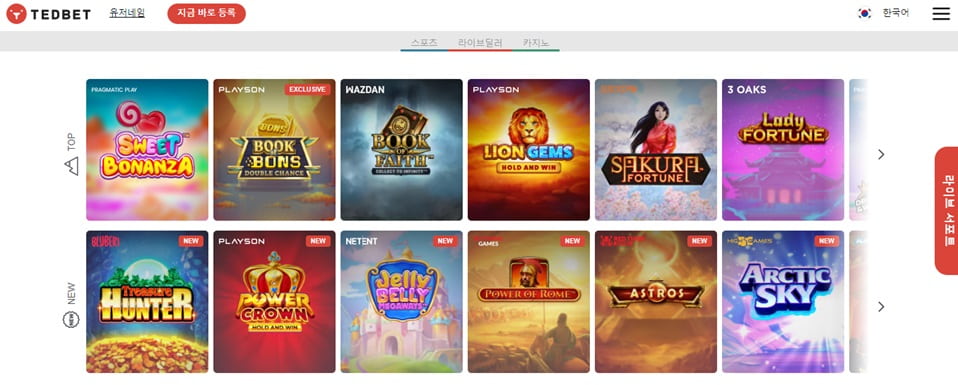
퀴라소 정부의 라이센스를 발급 받아 2022년에 설립된 테드벳 토토사이트는 다양한 게임 컬렉션과 결제 옵션 그리고 다른 카지노에 비교하여 풍성한 유저 혜택을 제공하는 것으로 유명합니다. 특히 아시아권 다양한 언어를 지원하며 아시아권 유저들을 공략하는 것이 특징입니다.
- 이벤트 및 프로모션: 테드벳은 신규회원을 위한 4종 환영 보너스(첫 입금, 무료스핀, 라이브딜러 바우처, 무료베팅)를 제공합니다. 첫 입금 보너스는 최대 200%까지 지급되며, 무료 스핀 보너스는 첫 입금 후 10일 동안 매일 20회 무료스핀이 주어집니다. 라이브 딜러 무료 바우처는 에볼루션 라이브 룰렛에서 사용할 수 있으며 1만원 상당의 바우처입니다. 이외에도 테드벳 토너먼트, 금요일 보너스, VIP 로열티 프로그램, 생일자 보너스, 주간 복권 같은 이벤트 혜택이 있습니다.
- 결제방식: 테드벳은 국내 은행 입출금과 신용카드, 전자지갑(넷텔러, 스크릴 등), 암호화폐(BTC, ADA, ETH, LTC, XRP, USDT) 사용이 가능합니다.
✅ 장점
- 다양한 결제 방식
- 다양한 보너스 혜택
❌ 단점
- 일부 국가에서 사용 제한
14. 유로스타(Eurostar)
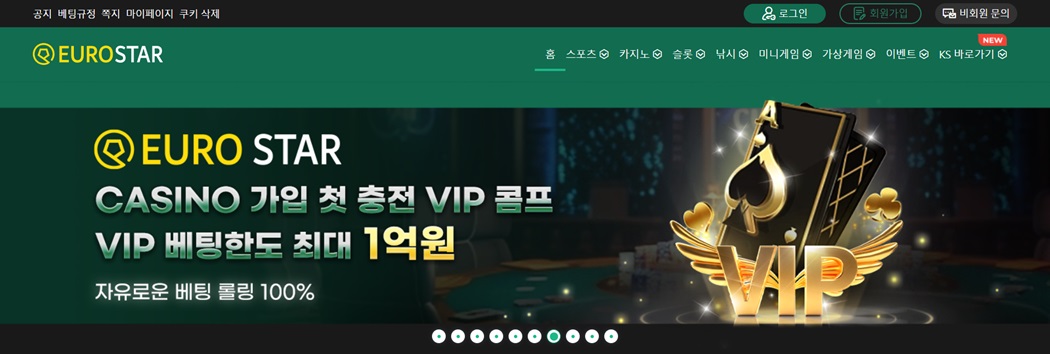
유로스타 카지노는 벳계열 카지노의 한 갈래로 알려져 있습니다. 벳계열 카지노의 자금력과 매끄러운 운영 능력이 유로스타 토토사이트를 전문화된 온라인 베팅 사이트로 브랜딩하는데 큰 도움을 주고 있습니다.
- 이벤트 및 프로모션: 유로스타 토토 사이트는 신규 가입 후 20만원 이상 첫 충전한 유저에게 100% 당첨되는 럭키휠 1장을 제공합니다. 또한 매주 손실 금액의 5%를 페이백하며 회원 등급에 따라 페이백 비율을 조정하고 있습니다. 스포츠베터들에게는 한폴낙 이벤트와 올낙첨 리셋(4폴더 이상 조합 팔레이 베팅 후 모두 미적중 시 포인트 지급)를 제공합니다. 이외에 지인을 소개할 때 지인 롤링 금액의 0.2%를 평생 지급하는 지인 추천 이벤트도 진행하고 있습니다.
- 결제방식: 국내 카지노사이트 이용자들의 편의를 위해 주요 은행 입출금을 지원하고 있습니다.
✅ 장점
- 스포츠 특화된 이벤트 기획
- 벳계열 카지노라는 신뢰도
❌ 단점
- 제한적인 결제 옵션
15. 펩시(Pepsi)
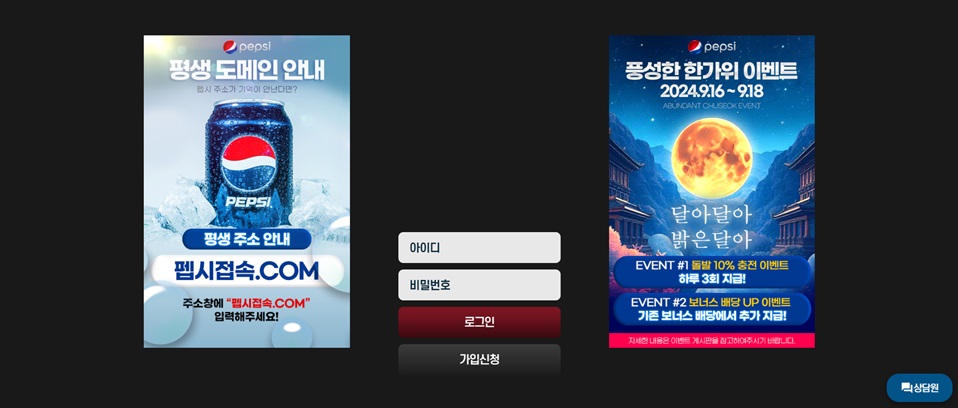
다양한 먹튀 보증 업체에서 인증업체로 선정되어 있는 펩시 토토사이트는 다수의 업체를 통해 엄격한 안전 기준을 통과하였습니다. 특히 베팅 방식에 대한 제재가 없는 사이트 규정은 많은 스포츠 매니아들의 지지를 받고 있습니다.
- 이벤트 및 프로모션: 펩시 토토사이트는 신규 이용자의 첫충전에 40% 보너스와 돌발로 랜덤하게 주어지는 10% 보너스를 제공합니다. 이외에도 미니게임 연승 이벤트, 다폴더 보너스, 지인추천 이벤트, 오류제보 이벤트 등이 마련되어 있습니다.
- 결제방식: 국내 카지노사이트 이용자들의 편의를 위해 주요 은행 입출금을 지원하고 있습니다.
✅ 장점
- 다양한 이벤트 기획
- 높은 모바일 편의성
❌ 단점
- 제한적인 결제 옵션
16. 케이슬롯(Kslot)
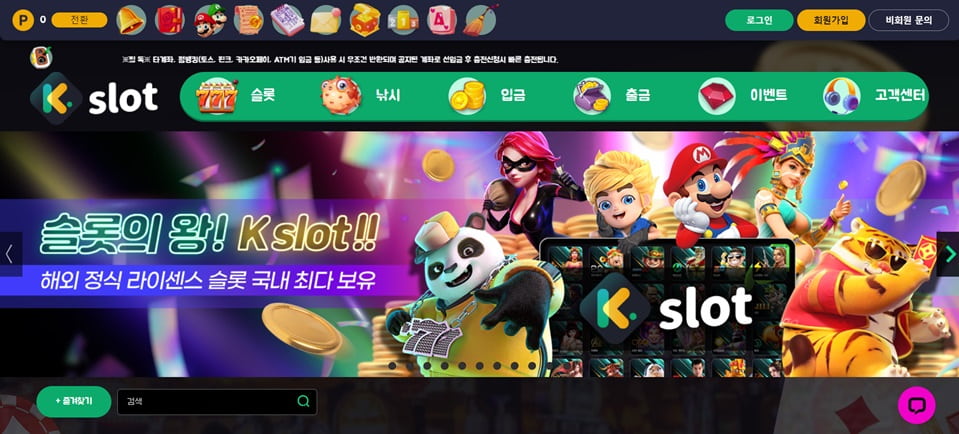
케이슬롯은 벳38에서 독립한 슬롯 전문 카지노로서 막대한 자금력과 안정적인 운영 실력을 갖추고 있는 전문 슬롯 플랫폼입니다. 카지노 대기업의 높은 수준 서비스와 안정적인 자금력을 찾고 계신다면 케이슬롯보다 좋은 옵션은 없을 것입니다.
- 이벤트 및 프로모션: 케이슬롯은 신규 회원 가입 후 첫 충전에 30% 보너스를 제공합니다. 또한 매일 첫 충전 시 15% 추가 보너스를 지급하며, 30일 연속 출석까지 마일스톤을 지정하여 추가적인 보너스를 지급합니다. 페이백은 실시간으로 계산되어 지급되며, 매일 손실액의 10%을 페이백 하고 있습니다. 이 카지노는 다른 카지노와 비교하여 5%에 달하는 높은 지인 추천 보너스를 지급하고 있습니다.
- 결제방식: 국내 카지노사이트 이용자들의 편의를 위해 주요 은행 입출금을 지원하고 있습니다.
✅ 장점
- 카지노 대기업의 신뢰도
- 높은 지인 추천 보너스
❌ 단점
- 제한적인 결제 옵션
17. 벳99(Bet99)
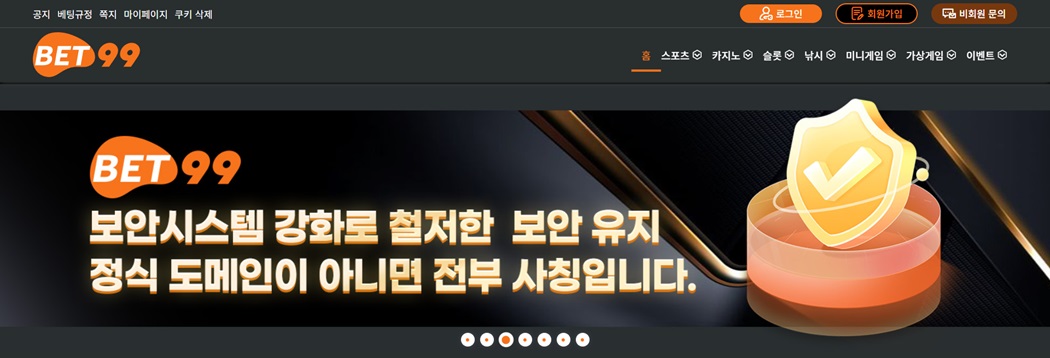
벳99카지노는 엄청난 자금력을 보유한 것으로 알려져 있는 벳계열 토토사이트의 한 부류로 알려져 있습니다. 유럽 축구 명문팀 유벤투스와 스폰서십을 맺을 정도로 거대한 자금력은 온라인 카지노 신뢰도를 제고하는데 매우 큰 도움을 주고 있습니다.
- 이벤트 및 프로모션: 벳99는 스포츠 가입 첫 충전 보너스 20%를 제공하며, 매일 충전 보너스로 5% 그리고 주간 입출금액의 5%를 페이백 하고 있습니다. 또한 총 상금 1억원을 건 스포츠 경쟁과 출근길 입금자에게 제공하는 아메리카노 쿠폰, 추천한 지인의 롤링 금액 0.2%를 평생 지급하는 지인 추천 이벤트도 진행되고 있습니다.
- 결제방식: 국내 카지노사이트 이용자들의 편의를 위해 주요 은행 입출금을 지원하고 있습니다.
✅ 장점
- 전문 운영팀의 매끄러운 운영
- 초고속 입출금
❌ 단점
- 제한적인 결제 옵션
18. 킹 오브 스포츠(Kings of Sports)
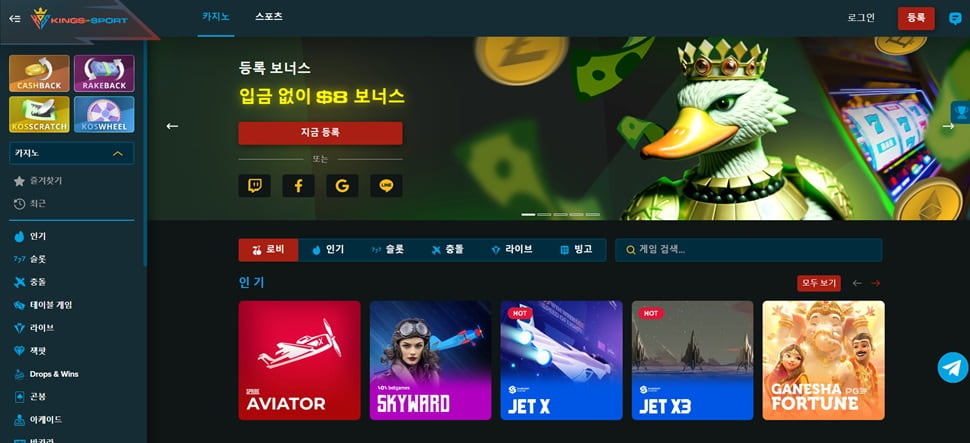
이 대형 토토사이트 플랫폼은 출금한도가 없는 것으로 유명하며 전 세계 유저들을 대상으로 운영되기에 다양한 다국어 고객지원과 이벤트 기획으로 가득합니다. 국내 플랫폼 사이에서는 흔하지 않은 무입금 보너스 혜택이 특징인 토토사이트입니다.
- 이벤트 및 프로모션: 킹오브스포츠 토토사이트의 신규 회원은 환영 보너스로 최대 500%와 25장의 무료 스핀 티켓을 받습니다. 또한 국내에는 흔하지 않은 혜택인 무입금 보너스로 $8까지 주어지며, 매주 화요일에 $10 이상 입금하면 25% 입금 보너스가 추가로 주어집니다.
- 결제방식: 킹스 오브 스포츠는 전세계에서 접속하는 유저들의 편의를 위하여 신용/체크카드, 은행송금, 구글/애플 페이 류 등 총 71개의 결제 방식을 지원합니다.
✅ 장점
- 무입금 보너스 제공
- 다양한 결제 방식과 무제한 출금 한도
❌ 단점
- 특별히 알려진 단점은 없습니다.
식을 줄 모르는 토토사이트의 인기
업계에서 토토 사이트 인기는 시간이 지날수록 더욱 커지고 있습니다. 이것은 모바일 접근성의 향상, 실시간 베팅, 그리고 안전한 거래 시스템 덕으로 이용자 만족도가 높아진 결과로 보입니다. 특히 업계 상위에 위치한 메이저사이트들은 신뢰성과 보안성을 바탕으로 잠재 고객 층을 확대하며 전체 업계 규모를 키워나가고 있습니다.
토토사이트 제공 일반적인 혜택
토토 메이저사이트 간 경쟁이 심화되면서 업체들은 저마다 다양한 혜택을 추가하여 사용자들 만족도를 높입니다. 대표적으로 첫 충전 보너스, 추천인 리베이트, 캐시백 혜택 등이 있습니다. 일부 토토 사이트는 매 충전에 대한 추가 보너스나 무료 스핀 티켓을 제공하기도 합니다. 또한, 회원 등급에 차등을 둔 리워드 시스템을 통해 유저들의 리텐션을 끌어 올리려는 노력을 하기도 합니다.
토토사이트에서 이용하는 결제 방식
토토 사이트는 사용자 편의를 위해 다양한 결제 방식을 제공하고 있습니다. 메이저사이트에서 제공하는 가장 대표적인 것은 은행 송금이며 이외에도 신용카드, 전자지갑(페이팔, 스크릴) 등이 사용되고 있습니다. 최근 일부 사이트는 암호화폐(BTC, ETH, LTC, XRP, ADA, DOGE 등) 결제 옵션을 추가하여 이용자들이 자신의 신원을 보호할 수 있도록 하고 있습니다. 암호화폐 결제는 이 외에도 입출금 수수료 절감과 빠른 속도를 보장한다는 장점이 있습니다.
토토사이트 이용 시 주의사항
토토 사이트 이용 시 몇 가지 주의사항을 반드시 확인해야 합니다. 먼저, 메이저사이트 유저는 자신의 법적 지위를 확인하고 해당 사이트 이용이 합법적인지 법적 규제를 확인하는 것이 중요합니다. 불법 사이트 이용은 법적 처벌의 위험이 따를 수 있습니다. 또한, 사이트의 규정과 이용 약관을 꼼꼼히 살펴보아야 하며, 과도한 혜택을 제공하는 사이트는 불공정한 조건을 내걸 가능성이 높으니 주의가 필요합니다. 마지막으로, 개인 정보 보호에 신경 쓰고 책임감 있는 베팅 습관을 기르는 것이 안전한 이용의 핵심입니다.
국내 토토사이트와 해외 토토 사이트의 차이점
해외 스포츠 베팅 사이트와 한국 토토사이트는 여러 면에서 차이가 있습니다. 해외 토토 사이트는 대개 다양한 종목에서 높은 배당률을 제공하는 경우가 많습니다. 또한, 평균 4~7개의 프로모션과 암호화폐 결제를 지원합니다. 반면, 국내 토토사이트들은 비교적 낮은 배당률을 유지하며 아직 암호화폐를 받는 업체가 없습니다.
해외 토토사이트 이용의 이점
커뮤니티 등을 통해 많은 이용자들이 해외 토토사이트를 더 선호하는 특징을 파악하셨을 것입니다. 이것은 대부분의 국내 메이저사이트들이 합법적인 라이센스가 없는 중소 업체이기 때문입니다. 대부분의 먹튀 사고는 이런 중소 규모 업체들에서 벌어지는 것을 상기하면 그리 놀랄 일은 아닙니다. 또 한 가지 이유는 해외 업체들이 더 좋은 자금력을 가지고 있어 좋은 배당과 유저 혜택을 제공하는 경우가 많다는 점일 것입니다.
꽁머니 토토사이트를 유의해야 하는 이유
꽁머니 토토 사이트는 무료 보너스를 제공하며 유저들의 이목을 끌곤 합니다. 하지만 이런 이벤트에는 신중하게 접근해야 합니다. 과도한 혜택을 내거는 사이트는 종종 불공정한 조건을 붙여 출금을 어렵게 만들거나, 먹튀를 염두에 둔 운영을 할 가능성이 있습니다. 이러한 사이트는 불법적일 가능성이 높으며, 법적 위험에 처할 수도 있으니 주의가 필요합니다. 또한, 보안이 취약한 경우 개인정보 유출로 이어질 수 있어, 충분히 믿을만한 메이저사이트를 선택하고 혜택이 업계 평균보다 지나치게 좋은 혜택을 제공하는 사이트는 더욱 신중하게 검토하는 것이 필요합니다.
최고의 토토사이트를 찾는 전문가의 기준
최고의 토토 사이트를 찾고 토토사이트 순위를 메길 때 전문가들은 몇 가지 핵심 기준을 고려합니다. 첫째, 합법적인 라이선스를 보유했는가이며, 이는 안전성과 신뢰성을 보장합니다. 둘째, 다양한 결제 옵션과 신속한 출금 처리가 가능한지 평가합니다. 셋째, 실제 사이트를 이용해 본 유저의 리뷰와 평판을 통해 사이트의 신뢰도를 점검하며, 마지막으로 사이트 보안 수준과 고객 지원 수준을 중요하게 봅니다.
인기 토토사이트에서 안전하게 토토 즐기기
메이저사이트들은 풍부한 혜택과 다양한 이벤트로 지금 이 순간에도 새로운 사용자들을 유치하고 있습니다. 그러나 안전하고 즐거운 베팅을 위해서는 신뢰할 수 있는 사이트를 잘 선택하는 것이 가장 중요합니다. 사용자 리뷰와 인증 정보를 바탕으로 사이트의 신뢰성을 평가하고, 과도한 베팅을 피하며 건전한 생활을 유지하도록 노력해야 합니다. 하지만 이런 작업은 개인으로서 모든 정보를 얻기는 어려우니 우리 전문가 팀이 작성한 토토사이트 순위 리스트 같은 기사를 통해 객관적인 정보를 얻으시길 바랍니다. 이번 기사가 독자분들의 건강한 토토생활에 도움이 되기를 바랍니다.
자주 묻는 질문들
질문 1: 수많은 정보 중에서 실패 없는 스포츠토토사이트 추천을 받는 가장 확실한 기준은 무엇인가요?
가장 핵심적인 지표는 업체의 운영 기간과 자본력을 증빙할 수 있는 해외 정식 라이선스 유무입니다. 2026년 현재, 구글 상위에 노출되는 메이저 업체들은 퀴라소나 필리핀 PAGCOR 등에서 발급한 인증을 바탕으로 운영됩니다. 단순히 이벤트가 화려한 곳보다는 고액 당첨 시에도 지체 없이 환전이 이루어지는지, 그리고 서버 보안이 해외 전문 데이터 센터에 구축되어 있는지를 먼저 살펴야 합니다. 전문가들이 분석한 순위 리스트는 이러한 복합적인 지표를 개인이 일일이 검증하는 수고를 덜어주는 신뢰할 수 있는 지침서가 됩니다.
질문 2: 일반적인 사설 업체와 검증된 메이저 스포츠베팅사이트의 결정적인 차이점은 무엇인가요?
가장 큰 차이는 베팅의 자유도와 먹튀 리스크의 원천 차단에 있습니다. 검증된 메이저 사이트들은 거대 자본을 바탕으로 운영되기 때문에 유저의 단폴더 베팅이나 마틴 베팅 등을 제재하지 않고 오히려 장려하는 경향이 있습니다. 반면 자본력이 부족한 소규모 사설 업체들은 유저가 수익을 내기 시작하면 규정을 빌미로 환전을 거부하곤 합니다. 결국 내가 승리했을 때 그 수익금을 안전하게 내 손에 쥐느냐가 메이저와 비메이저를 가르는 핵심적인 잣대가 됩니다.
질문 3: 한국 유저가 토토사이트를 이용할 때 보안 문제를 완벽하게 해결하는 방법이 있을까요?
최근 메이저 사이트들은 유저의 금융 기록을 남기지 않기 위해 가상계좌 시스템이나 USDT와 같은 암호화폐 입출금 방식을 전면 도입했습니다. 보안 등급이 높은 상위 1% 사이트를 선택하면 최신 SSL 암호화 기술을 통해 개인정보가 철저히 보호되므로 데이터 유출 걱정을 최소화할 수 있습니다. 사이트를 선택할 때 한국어 지원 여부만큼이나 입출금 경로의 익명성이 얼마나 보장되는지를 반드시 확인해야 안전한 베팅 환경을 구축할 수 있습니다.
질문 4: 검색 결과에 나오는 모든 추천 리스트를 무조건 믿어도 될까요?
포털 검색 결과에는 광고비를 지불하고 상단에 노출되는 신생 업체들이 섞여 있을 가능성이 매우 높습니다. 이러한 곳들은 짧은 기간 운영 후 사이트 이름을 바꾸는 방식을 선호하므로 각별한 주의가 필요합니다. 따라서 구글에서 장기간 높은 랭킹을 유지하거나 전문 검증 커뮤니티에서 보증금을 예치받아 운영하는 ‘보증 업체’ 리스트를 활용하는 것이 내 자산을 지키는 가장 지혜로운 방법입니다.
질문 5: 토토사이트 이용 전 국내 법률과 규정을 확인해야 하는 이유는 무엇인가요?
토토사이트 이용 여부를 판단하기 전에는 해당 서비스가 국내 법률과 규정을 준수하는지 확인하는 것이 중요합니다. 특히 해외 또는 사설 사이트는 운영 지역과 이용자의 거주 국가에 따라 적용되는 법적 기준이 다를 수 있으므로 관련 규정을 사전에 확인해야 합니다.
질문 6: 토토사이트의 입출금 방식과 이용 조건은 어떻게 확인해야 하나요?
토토사이트를 살펴볼 때는 지원하는 결제 방식뿐 아니라 최소 입출금 금액, 처리 시간, 수수료, 환불 및 출금 조건 등을 함께 확인해야 합니다. 광고에 표시된 조건과 실제 이용약관이 다른지 비교하는 것도 중요한 확인 사항입니다.
질문 7: 스포츠베팅 이용 시 과도한 지출을 예방하려면 어떻게 해야 하나요?
스포츠베팅을 이용한다면 사전에 지출 한도와 이용 시간을 정하고 이를 초과하지 않는 원칙을 세우는 것이 도움이 됩니다. 생활비나 대출금 등 필수 자금을 베팅에 사용하지 않고, 손실을 만회하기 위해 추가로 금액을 늘리는 행동도 피하는 것이 중요합니다.